


How can mold component design improve the molding quality of rice cooker shells?
Release Time : 2025-12-23
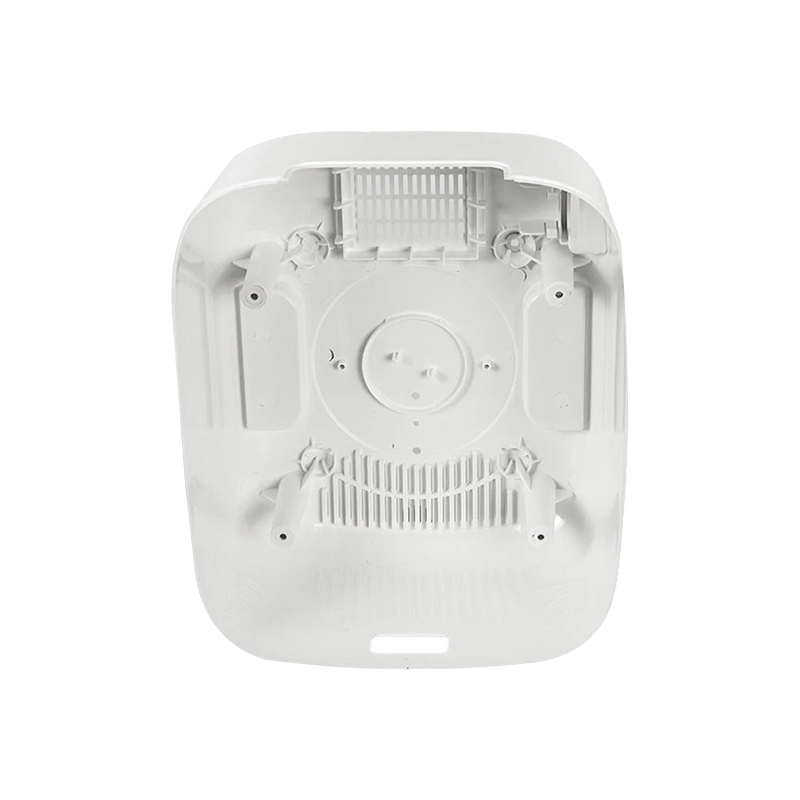
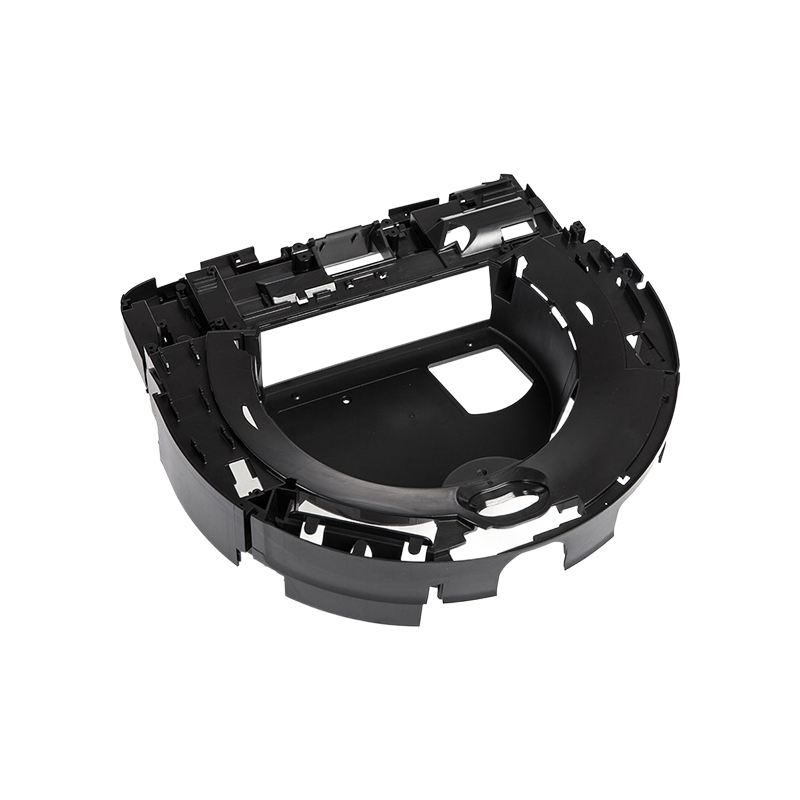
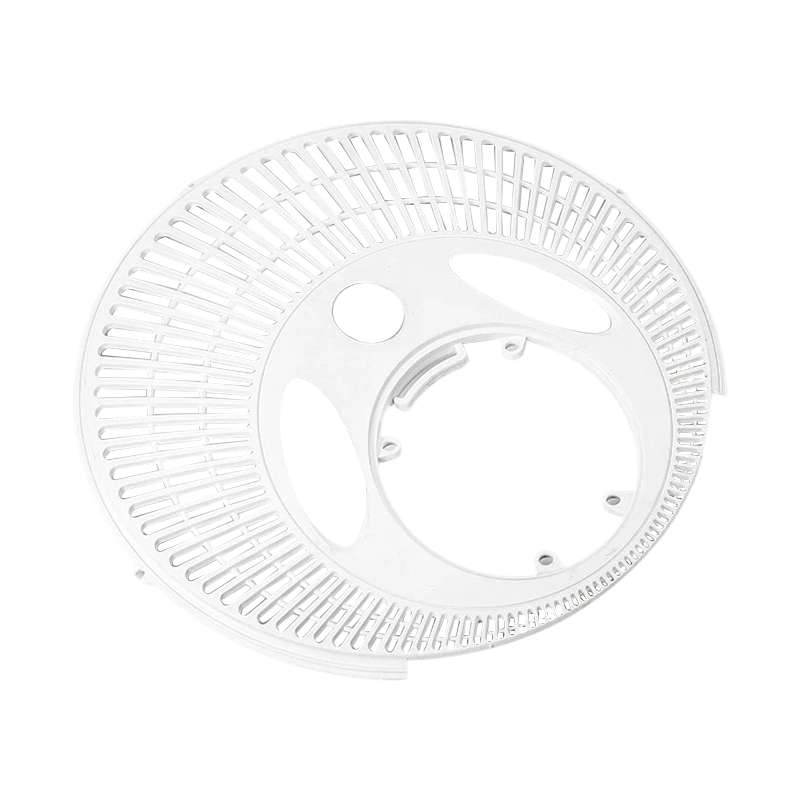
Mold component design is a core element determining the molding quality of rice cooker shells. Its precision, structural rationality, and material selection directly affect the shell's appearance, dimensional stability, and structural strength. Optimizing the runner system, cooling system, demolding mechanism, and material matching of mold components can significantly improve the molding quality of rice cooker shells, reducing defects such as weld lines, shrinkage, and deformation, while simultaneously increasing production efficiency and mold life.
The design of the runner system is crucial for the uniformity of melt filling in rice cooker shells. The layout of the main runner and branch runners needs to be optimized based on the shell's geometry and wall thickness distribution to ensure that the melt fills the cavity at a balanced speed and pressure. For example, for complex-shaped rice cooker shells, a hot runner system can avoid cold material residue and reduce weld lines. Furthermore, the dimensions of the runner cross-section must balance filling efficiency and pressure loss; excessively thick runners lead to material waste and prolonged cooling time, while excessively thin runners may cause incomplete filling or melt degradation. Runner simulation analysis can accurately predict the melt flow path and temperature distribution, providing data support for design.
The design of the cooling system directly affects the cooling uniformity and molding cycle of the rice cooker shell. The cooling water channels in the mold components need to be differentiated according to the shell's wall thickness and structural characteristics. Thick-walled areas require enhanced cooling to prevent shrinkage, while thin-walled areas require appropriately reduced cooling intensity to prevent deformation. For example, at the edges and corners of the rice cooker shell, the cooling water channels need to adopt a conformal design, closely adhering to the cavity surface to improve cooling efficiency. Furthermore, the diameter, spacing, and flow direction of the cooling water channels need to be optimized through thermal conduction simulation to ensure that the temperature gradient in different parts of the shell is minimized, thereby reducing internal stress and warping caused by uneven cooling.
The design of the demolding mechanism is crucial to ensuring smooth demolding of the rice cooker shell. The ejection system in the mold components needs to be customized according to the shell's draft angle, surface quality requirements, and structural strength. For example, for rice cooker shells with high surface finish requirements, delayed ejection or secondary ejection mechanisms should be used to avoid ejection marks affecting the appearance; while for shells with deep cavities, the number of ejector pins should be increased or a pneumatic ejection method should be used to ensure uniform distribution of demolding force. Furthermore, the design of the slider and ejector mechanism requires precise calculation of the motion trajectory and clamping force to prevent scratching of the shell surface or structural deformation during mold opening.
The material selection of mold components has a decisive impact on the molding quality and mold life of the rice cooker shell. Core and cavity materials must possess high hardness, high wear resistance, and good thermal fatigue resistance to withstand long-term high-pressure injection and thermal cycling. For example, using pre-hardened mold steel can reduce heat treatment deformation and improve dimensional stability; while surface coating technologies such as PVD or CVD can further improve the wear resistance and corrosion resistance of the mold surface, extending its service life. In addition, the machining accuracy of mold components must match the material properties; high-precision machining can fully utilize the material's performance advantages and avoid molding defects caused by machining errors.
The design of the venting system for mold components is equally important to the molding quality of the rice cooker shell. During melt filling, air in the cavity must be quickly expelled through venting channels or plugs; otherwise, problems such as burning, porosity, or incomplete filling may occur. The size and location of venting grooves need to be optimized based on the structural characteristics of the shell. For example, venting grooves should be placed at the parting surface, the sliding block mating surface, and the bottom of the deep cavity to ensure unobstructed venting. Simultaneously, the depth of the venting grooves must be strictly controlled; too deep may cause flash, while too shallow will not effectively vent. Through venting simulation analysis, areas with insufficient venting can be accurately located, providing directions for design improvement.
Precision control of mold components is fundamental to improving the molding quality of the rice cooker shell. Throughout the entire process from mold design to manufacturing, high-precision machining equipment and inspection tools must be used to ensure that the dimensions and geometric tolerances of each component meet design requirements. For example, the mating clearance between the core and the cavity must be controlled at the micrometer level to avoid melt leakage or flash; while the fitting accuracy of the guide pillars and guide sleeves directly affects the mold's opening and closing stability, requiring precision grinding and matching processes. Furthermore, positioning mechanisms such as locating pins and keyways must be used during mold assembly to ensure the relative positional accuracy of each component and avoid molding deviations caused by assembly errors.